Ethics, and the mind that has to write it.
A site with only two subjects. The ethics paper, taught the way it deserves — syllabus, thinkers, case studies, and the officers who lived them. And the psychology of preparing: habits, focus, and holding your nerve across a long attempt.
Read the Ethics Library
Study Psychology

Prince Luthra · AIR 577, UPSC CSE 2014
I cleared the Civil Services Examination with All India Rank 577 and have spent the years since teaching the paper I care most about. Ethics is the one paper where the syllabus asks you to become something rather than merely know something — and it is taught here in that spirit, with stories, dilemmas, and the working habits that hold a candidate together through a long preparation.
Everything else I do — current affairs, prelims practice, mock tests — lives on the Netmock channel and site. This place stays deliberately narrow.
Freshly published — swipe or drag to browse.
LIVE
 Ethics in action
Ethics in Action · Case File
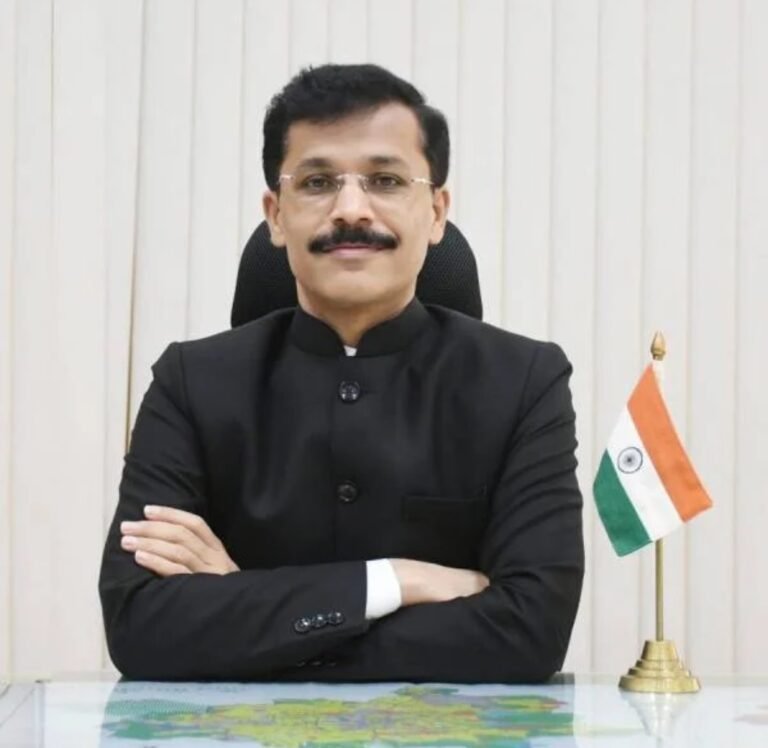
Ethics in Action: What Tukaram Mundhe’s Food Safety Drive Teaches About Probity
11 Aug 2026
Chapter 22 · Information Sharing and Transparency
Transparency Mechanisms, and a PIO Under Pressure
3 Aug 2026
Chapter 21 · Quality of Service Delivery
The Officer Who Delivers: Attributes and Discretion
3 Aug 2026
Auto-scrolling — drag or swipe to take overPaused — you are in control
Read in order. Each chapter is complete in five parts, and every part ends with a 10-mark practice question.
- Part What Probity Actually Means (And Why It Is Not Honesty) →
- Part The Two Components: Professional Integrity and Procedural Uprightness →
- Part The Philosophical Basis: From Aristotle to Kautilya →
- Part Probity in Indian Public Life: Five Careers Worth Quoting →
- Part How a Civil Servant Practises Probity — and What Defeats It →
- Part Three Ways to Judge an Action: Duty, Consequence, Character →
- Part Care, Contract, Relativism and Absolutism →
- Part Gandhian and Existentialist Ethics: Means, Ends and Responsibility →
- Part The Three Spheres: Personal, Professional and Public Action →
- Part A Decision Framework for the Officer in the Room →
- Part Classical Indian Thinkers: Kautilya, Buddha, Mahavira, Thiruvalluvar →
- Part Modern Indian Thinkers: Gandhi, Ambedkar, Vivekananda, Tagore, Aurobindo →
- Part Socrates, Plato, Aristotle and Confucius →
- Part Kant, Mill and Rawls: Duty, Utility and Justice →
- Part Using Thinkers in an Answer: Which One, and When →
- Part What an Attitude Actually Is: Feeling, Action and Belief →
- Part Bureaucratic and Democratic Attitudes: Two Ways to Hold an Office →
- Part Balancing the Two — and Building the Attitude an Officer Needs →
- Part What Sustains a Positive Attitude, and Where Attitudes Come From →
- Part Contrasting Attitudes on Caste, and an Officer in the Field →
- Part How People Are Influenced: Conformity, Compliance and Obedience →
- Part The Elements of Persuasion: Credibility, Emotion, Logic and Social Proof →
- Part Where Persuasion Does the Work of Government →
- Part Swachh Bharat: A Case Study in Social Influence →
- Part When Persuasion Becomes Manipulation: The Ethical Line →
- Part The Five Components of Emotional Intelligence →
- Part Why It Matters in Service — and the Mayer-Salovey Model →
- Part Emotional Intelligence in Indian Officers: Careers Worth Studying →
- Part How Emotional Intelligence Shapes Ethical Decisions — and How to Build It →
- Part Emotional Intelligence in Administrative Practice, and a Crisis Case Study →
More chapters are added as they are written — the syllabus runs to twenty-six.
Fresh from the Netmock channel.
Protest — Legal or Ethical?
Ten questions from the Delhi students’ protest, each put to two separate tests. Was the protest legal? Was it ethical? Was the lathi charge either? A full GS Paper IV case-study walkthrough.
Lectures, notes and daily contact.
Start with Chapter 1.
Probity in Governance — five parts, complete, with probable questions at the end.