How a Civil Servant Practises Probity — and What Defeats It
Knowing what probity is settles nothing. The question that decides a career is what an officer actually does on an ordinary Tuesday, under pressure, with nobody watching.
Fortune favours the bold
Chapter 1 of the GS Paper IV notes — probity, its components, its philosophical basis, and how it is practised.
Knowing what probity is settles nothing. The question that decides a career is what an officer actually does on an ordinary Tuesday, under pressure, with nobody watching.
Probity has two halves, and candidates almost always write about only one. The half they forget is the one that actually fails in Indian administration.
Every ethics answer improves the moment it stops asserting and starts reasoning. These six traditions are where the reasoning comes from — four Western, two Indian, each giving probity a different defence.
Abstract virtue persuades nobody. These five careers are the ones worth carrying into the hall, because each demonstrates a different face of probity.
Most candidates define probity as honesty and move on. That sentence costs marks, because the examiner is asking about something honesty does not cover: uprightness that can be shown to a stranger.
From the author
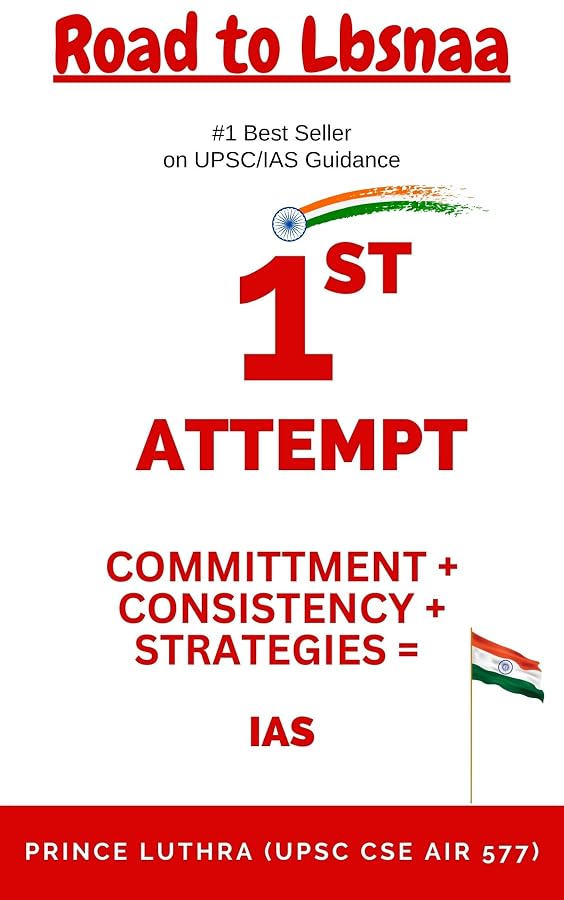
Road to LBSNAA: 1ST Attempt
Prince Luthra · UPSC CSE AIR 577
The full journey to the Academy — how the preparation was built, what went wrong, and what finally worked.
Read on Kindle — ₹99Also in paperback and hardcover
As an Amazon Associate, purchases made through this link may earn a commission at no extra cost to you.