The Modern Indian Thinkers: Gandhi, Ambedkar, Vivekananda, Tagore, Aurobindo
Five modern Indians who answered the same question differently: what should a free country be, and what kind of person does it require?
Fortune favours the bold
Five modern Indians who answered the same question differently: what should a free country be, and what kind of person does it require?
India’s oldest ethical thinking is unusually practical. It was written by people advising kings, founding orders and governing households — not by academics.
Every case study in this paper is finally the same case: a person who is both a private human being and a public officer, and a situation that will not let them be both.
In private life the impartiality that defines good administration would be a form of coldness. This is the one sphere where preference is not a failing but an obligation.
Principles are tested by cases. Two Indian careers show what public trust looks like when it is built deliberately; one scandal shows what happens to an entire sector when it is not.
A public relationship has no affection in it, and that is precisely what makes it demanding. You owe a stranger the same standard you would give a friend, without the feeling that makes it easy.
Theory is what you read beforehand. This is what you use at eleven in the morning when a decision cannot wait and every option is imperfect.
The same person owes different things to a child, a client and a citizen. Confusing the three is where a great many ethical failures begin.
Two traditions insist that how you act matters as much as what you achieve. One is Indian, one is European, and together they answer most questions about means and ends.
Beyond the famous three lies a second set of theories, and they are where the interesting questions in this paper increasingly come from.
From the author
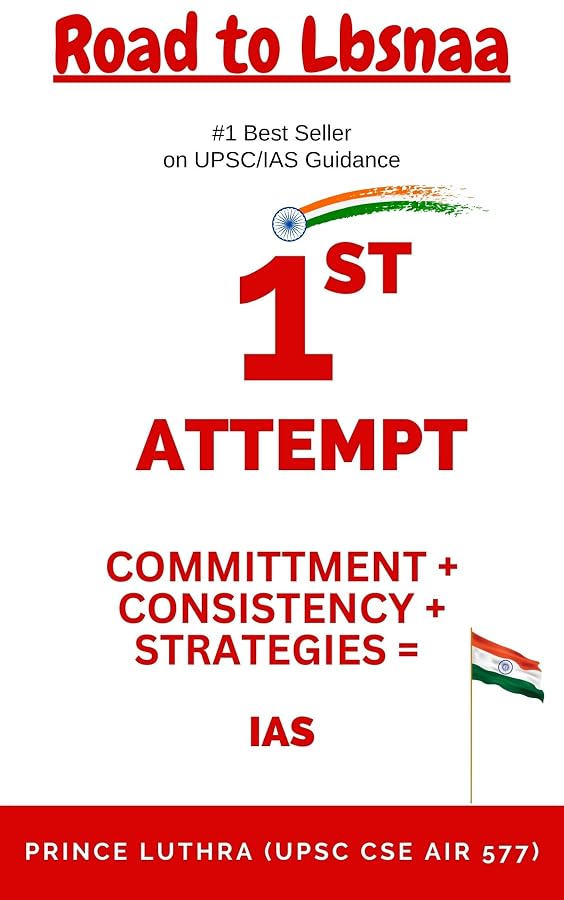
Road to LBSNAA: 1ST Attempt
Prince Luthra · UPSC CSE AIR 577
The full journey to the Academy — how the preparation was built, what went wrong, and what finally worked.
Read on Kindle — ₹99Also in paperback and hardcover
As an Amazon Associate, purchases made through this link may earn a commission at no extra cost to you.