Preventing Unethical Conduct, and a District Under Water
Ten mechanisms an administration uses to make honesty ordinary rather than heroic — then a flooded district where every one of these values is tested at once.
Fortune favours the bold
Ten mechanisms an administration uses to make honesty ordinary rather than heroic — then a flooded district where every one of these values is tested at once.
Courts, elections and markets are machinery. Strip out the shared moral values underneath them and each keeps running while producing the opposite of what it was built for.
A value tells you what to care about; a principle tells you what to do on Tuesday afternoon. This part covers the working rules that turn public service values into conduct.
Integrity, accountability, transparency, impartiality, dedication, respect for law, empathy. Not decorations on an oath, but the conditions under which administration can claim legitimacy at all.
A district in communal tension, and four Indian careers read for the aptitudes they displayed rather than the honours they collected.
The habit of testing a proposal before signing it — where it comes from, why hierarchy suppresses it, and what an organisation can do to keep it alive.
Ethical, analytical, administrative, communicative, adaptive. The capacities a posting demands, and the failure that follows when one of them is missing.
Knowledge gets you into the service; aptitude decides what you do once you are in it. This part separates aptitude from ability, attitude and value — four words the exam expects you to keep apart.
From emotional check-ins before a decision to a district officer running a flood response — what emotional intelligence looks like when it stops being a concept.
Self-awareness gives ethical clarity, self-regulation makes the right choice possible, empathy widens who counts. And unlike IQ, all of it can be trained.
From the author
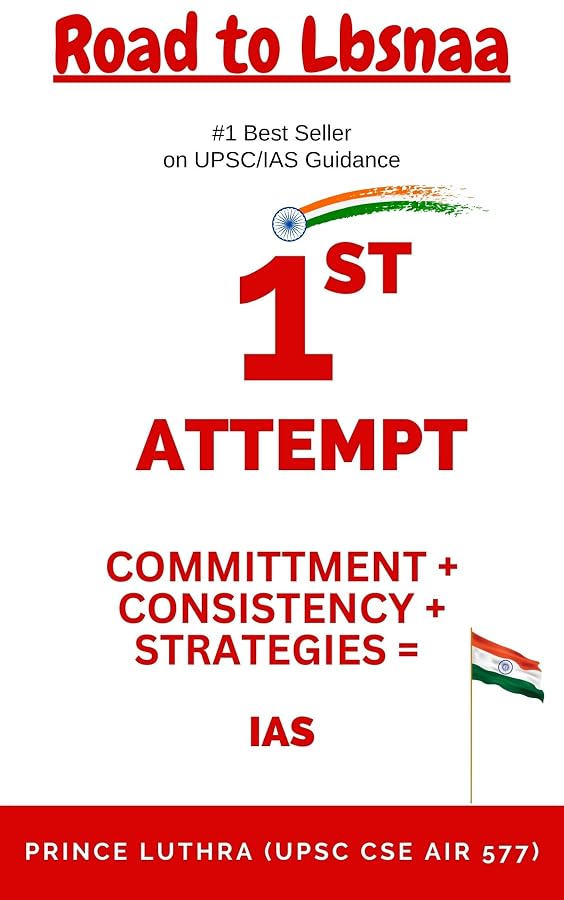
Road to LBSNAA: 1ST Attempt
Prince Luthra · UPSC CSE AIR 577
The full journey to the Academy — how the preparation was built, what went wrong, and what finally worked.
Read on Kindle — ₹99Also in paperback and hardcover
As an Amazon Associate, purchases made through this link may earn a commission at no extra cost to you.