
Narendra Kumar: What the Record Actually Says
The IPS officer killed enforcing against illegal quarrying in Morena. The CBI ruled out the mafia conspiracy your notes probably assert, and the accurate version asks a harder question.
Fortune favours the bold
The IPS officer killed enforcing against illegal quarrying in Morena. The CBI ruled out the mafia conspiracy your notes probably assert, and the accurate version asks a harder question.
No budget, no sanction, and a sub-division with no road. How Armstrong Pame raised a highway by public subscription, and where the ethical line actually sits.
He built the ring-fenced plans that move money to the poorest, then declined the Padma Bhushan. The cleanest example in the syllabus for compassion towards the weaker sections.
He sealed two petrol pumps for adulteration, watched a fine settle the matter, and went back anyway. What Manjunath teaches about integrity, enforcement and the limits of deterrence.
He asked the Prime Minister’s Office to keep his name secret. It did not. What Satyendra Dubey’s case teaches about probity, moral courage and whistleblower protection in India.
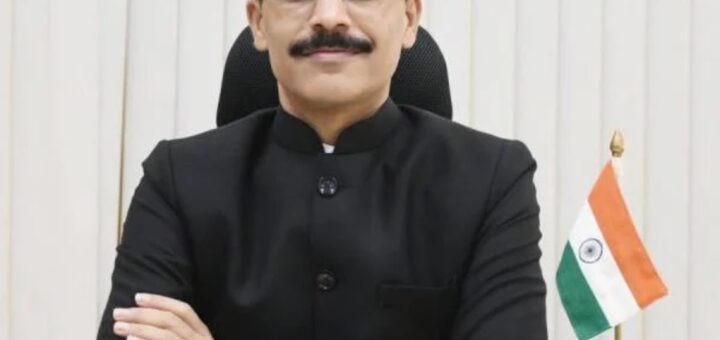
A 2005-batch IAS officer with 25 transfers now runs Maharashtra’s FDA. What his enforcement drive shows about probity, impartiality and deterrence, and the three points where a critical GS Paper IV answer must push back.
Chapter 26 · Ethics Case Studies · Part 5 The mistakes that cost marks most reliably, and what this whole library has been building toward. Chapter 26 · Ethics Case StudiesPart 1 · The...
Chapter 26 · Ethics Case Studies · Part 4 Genuine dilemmas, where both courses have a real claim and the answer must name what is being given up. Chapter 26 · Ethics Case StudiesPart...
Chapter 26 · Ethics Case Studies · Part 3 Cases where the wrong is done to a person rather than to a process, and where the officer’s duty is protection rather than neutrality. Chapter...
Chapter 26 · Ethics Case Studies · Part 2 Four cases in which authority is used improperly, from the corrupt superior to the instruction that is lawful and wrong. Chapter 26 · Ethics Case...
From the author
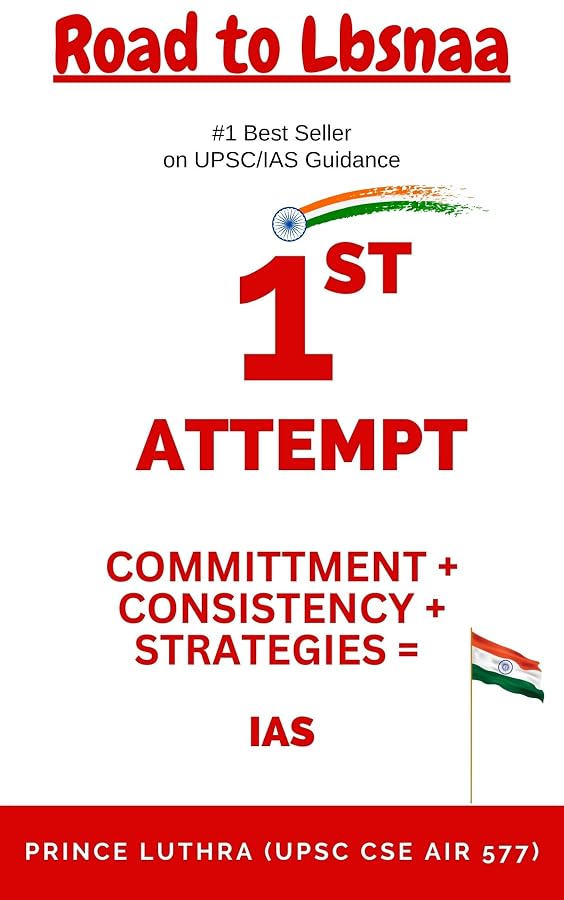
Road to LBSNAA: 1ST Attempt
Prince Luthra · UPSC CSE AIR 577
The full journey to the Academy — how the preparation was built, what went wrong, and what finally worked.
Read on Kindle — ₹99Also in paperback and hardcover
As an Amazon Associate, purchases made through this link may earn a commission at no extra cost to you.